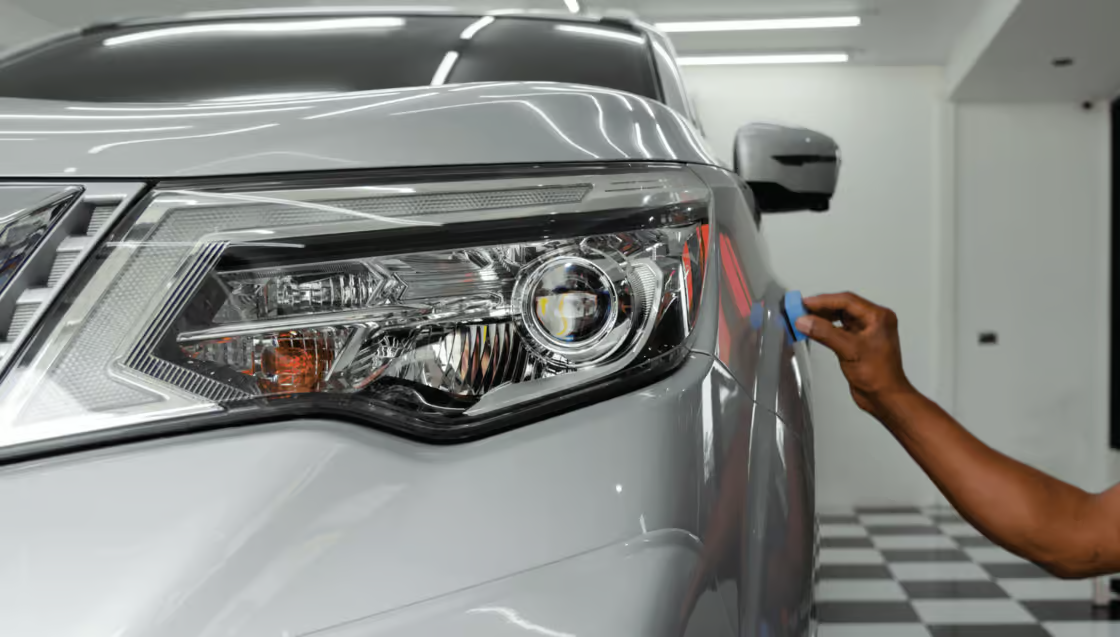
What Is A Clay Bar Treatment?
May 11, 2026
Are you tired of looking at the swirls and scratches on your car’s paint? Do you want to restore its smooth and glossy finish? If so, then you need to try using a clay bar. Clay bars are a game-changer when it comes to car detailing, as they effectively remove contaminants and imperfections from the surface of your vehicle. In this article, we will explore the benefits of using a clay bar and provide a step-by-step guide on using it properly.
Using a clay bar may initially seem intimidating, but with the proper technique and tools, it is a straightforward process. This article will guide you through using a clay bar on your car. From preparing the surface to properly lubricating the clay bar, we will cover all the essential steps to ensure a successful treatment. So, if you want to achieve a showroom-worthy finish and restore the shine to your car’s paint, keep reading to learn how to use a clay bar effectively.
What is Clay Bar?
A clay bar is a detailing tool used to remove embedded contaminants from the paint and exterior surfaces of a car, boat, motorcycle, or other vehicle. It removes foreign particles on the surface, such as tree sap, tar, bugs, road grime, brake dust, industrial fallout, and other debris not removed with regular washing. The clay bar is made up of a malleable material that is slightly abrasive and is used with a lubricant to allow it to glide over the surface of the car without scratching. In addition to traditional bars, you can also purchase a clay bar glove for easy application.
A clay bar is a great way to get your vehicle looking like new again, especially if it has been neglected for a while. The clay bar will remove all the embedded contaminants stuck in the paint or on other surfaces and leave your vehicle looking like it just came off the lot. The clay bar removes these contaminants without scratching or damaging the paint. It’s a safe, inexpensive, and easy way to restore your vehicle’s showroom shine.
Benefits of Using a Clay Bar
Using a clay bar offers many benefits for vehicle maintenance and upkeep. Here are some of the advantages of using a clay bar:
- Safely removes contaminants: A clay bar effectively removes stubborn contaminants like tar, tree sap, and industrial fallout that regular washing can’t remove.
- Easy to use: A clay bar is a simple process requiring minimal effort to get the job done.
- Affordable: Clay bars are affordable and cost-effective for maintaining your vehicle’s paint job.
- Restores a showroom shine: The clay bar will leave your car looking like it just came off the lot.
- Protects paint: A clay bar is safe to use and won’t scratch or damage the paint.
Different Types of Clay Bars
There are several different types of clay bars available on the market today. Depending on the type of dirt and contaminants you are trying to remove, a clay bar can do the job effectively. Here’s a look at some of the most common types of clay bars:
- Fine Clay Bar: This type of clay bar is great for removing light contamination. It’s most often used for vehicles that have only been lightly neglected.
- Medium Clay Bar: This type of clay bar is designed for more heavy-duty cleaning and will remove more stubborn contaminants like tar, tree sap, and industrial fallout.
- Heavy Duty Clay Bar: This type of clay bar is designed for extreme cases of dirt and contamination. It is the most aggressive type of clay bar and should be used cautiously.
How to Use a Clay Bar
Using a clay bar on your vehicle correctly will ensure it is well-maintained and looks its best. Here are some tips for using a clay bar:
- Prepare the surface: Before you begin, ensure the car is clean and free of dirt or debris. You can use a detailing spray to help loosen up any bonded contaminants.
- Apply lubricant: Apply a generous amount of lubricant to the surface before gently rubbing the clay bar over it.
- Move in straight lines: Use long, straight strokes when gliding the clay bar over the surface.
- Rinse and dry: Once you’re done, rinse off any residue and dry the car with a clean microfiber cloth.
It’s essential to follow the instructions carefully when using a clay bar. The clay bar should be used with a lubricant, such as a detailing spray or water. Ensure the surface is clean and dry before applying the clay bar, and use light pressure. Work in small sections at a time and knead the clay bar often to ensure that it is cleaning effectively. Avoid dropping or dragging the clay bar on the surface to avoid scratching or damaging it.
In conclusion, if you want to achieve that showroom shine for your car, don’t overlook the power of a clay bar. It may seem like a simple tool, but its ability to remove contaminants and restore a smooth, glossy finish is unmatched. So why wait? Grab a clay bar, roll up your sleeves, and get ready to transform your car into a work of art. Your vehicle will thank you!