Auto Ceramic Coating: Ultimate Protection for Luxury Cars

May 8, 2026

Auto ceramic coating is a hot topic in the car care industry, and for good reason. If you want to keep your vehicle looking its absolute best, you may have heard about this powerful paint protection solution. Let’s explore what auto ceramic coating is and why it might be the most important upgrade you can give your car.

Table Of Contents:

  • What Is Auto Ceramic Coating?
  • The Benefits of Ceramic Coating
  • 1. Superior Ceramic Protection
  • 2. Makes Your Car Easier to Clean
  • 3. Long-Lasting High-Gloss Finish
  • 4. Increased Resale Value
  • The Application Process Explained
  • Maintaining Your Ceramic Coated Car
  • DIY vs. Professional Application
  • Common Misconceptions About Ceramic Coating
  • Alternatives to Ceramic Coating
  • Conclusion

What Is Auto Ceramic Coating?

An auto ceramic coating is a liquid polymer applied to the exterior of a vehicle. This chemical solution bonds with your vehicle’s paint, creating a semi-permanent, transparent layer of protection. Think of it as a durable second skin for your car’s clear coat.


The main ingredient in many auto ceramic coatings is silicon dioxide (SiO2), which creates an incredibly hard surface once cured. Some advanced formulas, like a graphene ceramic coating, incorporate new materials for even greater durability and water repellency. The application process is intricate, creating a chemical bond that is much stronger and longer-lasting than traditional waxes or sealants.

The Benefits of Ceramic Coating

Black sports car with silver racing stripes in a showroom

Car enthusiasts and daily drivers alike appreciate the wide variety of advantages ceramic coatings offer. The investment provides returns in both appearance and protection. Let’s look at the main benefits.

1. Superior Ceramic Protection

A professional-grade auto ceramic coating forms a tough shield over your paint. This layer provides ceramic protection against a range of environmental hazards. It resists damage from harsh UV rays, which can cause paint to fade and oxidize over time.


This surface coating also stands up to chemical etching from acidic contaminants like bird droppings and bug splatters. While it won’t stop heavy rock chips, it does help defend against minor scratches and swirl marks from a car wash. The slick surface makes it difficult for contaminants to bond to the paint.

2. Makes Your Car Easier to Clean

Auto ceramic coatings have amazing hydrophobic properties, meaning they repel water. When water hits the surface, it beads up and rolls off, taking dirt and grime with it. This self-cleaning effect keeps your car looking cleaner for longer periods.


This quality makes your car easier to wash, as dirt and contaminants like brake dust don’t stick as aggressively. A simple rinse can often remove light dust and pollen. This simplified maintenance routine is a major appeal for many vehicle owners.

3. Long-Lasting High-Gloss Finish

Forget waxing your car every few months. A high-quality auto ceramic coating can last for years with proper car care. It enhances the reflective properties of your car’s paint, resulting in a deep, high-gloss finish that looks consistently brilliant.


The coating liquid fills in the microscopic pores of the clear coat, creating a perfectly smooth and reflective surface. This keeps your car looking like it just left the showroom. This long-term shine is something traditional products simply cannot match.

4. Increased Resale Value

Maintaining the condition of your vehicle’s paint is one of the best ways to preserve its value. Auto ceramic coatings help keep the paint looking new by protecting it from fading, staining, and minor blemishes. A car with a flawless exterior will always command a higher price on the resale market.

The Application Process Explained

Hand polishing the hood of a silver car in a detailing shop

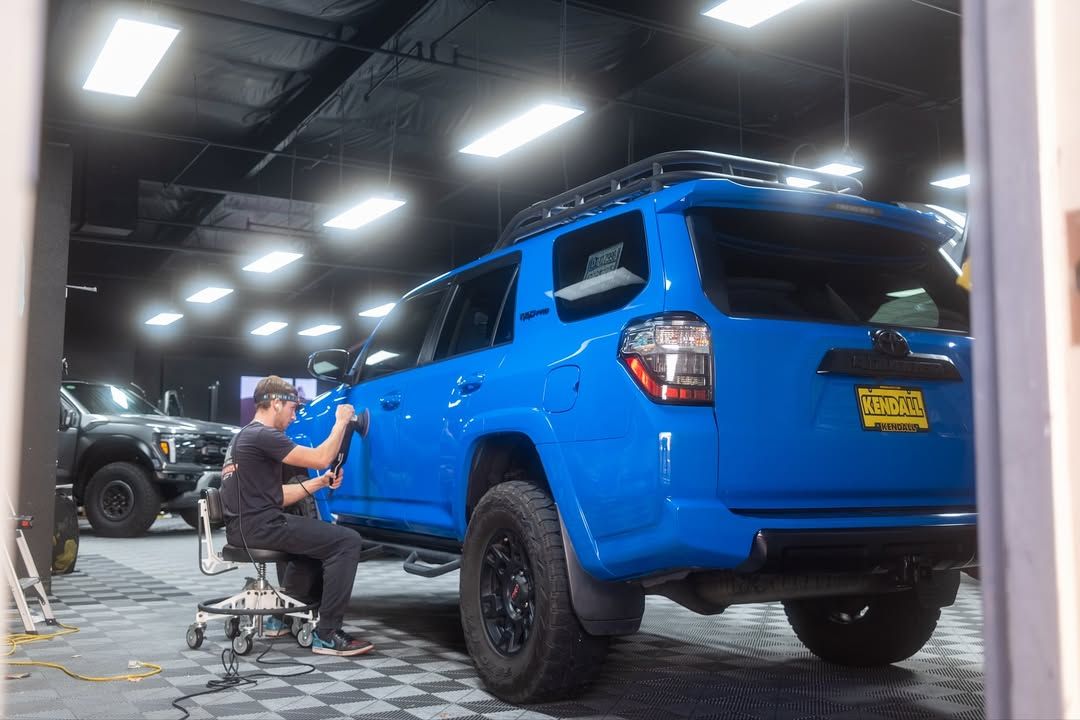
Applying the auto ceramic coating correctly is a multi-step process that requires precision and a controlled environment. A proper application is vital for the coating’s performance and longevity. Skipping steps or working in poor conditions can lead to subpar results.


Here is a general breakdown of the steps involved:


  1. Thorough Washing: The car is first meticulously washed to remove all loose dirt and grime. Professional detailers often use a ph neutral shampoo and a two-bucket car wash method to prevent scratches. A high-quality tire cleaner is also used to prep the wheels.
  2. Decontamination: After washing, a clay bar treatment is performed. The clay bar gently lifts embedded contaminants from the clear coat, such as industrial fallout and tree sap, leaving the surface perfectly clean and smooth.
  3. Paint Correction: This is the most critical step. The paint is polished to remove any imperfections like swirl marks, scratches, and oxidation. The goal is to make the vehicle’s paint flawless before sealing it under the coating. For older vehicles, this may even involve wet sanding for deeper defects.
  4. Surface Prep: Before applying the coating, the surface must be completely free of oils or polishing residues. An isopropyl alcohol (IPA) solution is used to wipe down every panel, ensuring the surface is sterile for a strong bond.
  5. Coating Application: The auto ceramic coating product is carefully applied to one small section at a time using a special applicator pad. This step must be done out of direct sunlight and in a climate-controlled area to prevent the product from flashing too quickly.
  6. Leveling and Removal: After a specific flashing time, the excess coating is wiped off, or “leveled,” with a clean microfiber cloth. This requires a keen eye and proper technique to avoid high spots or streaks.
  7. Curing: The vehicle must be kept dry and clean for at least 24-48 hours while the coating cures and hardens. Full chemical resistance is typically achieved after a week or more.

Maintaining Your Ceramic Coated Car

While an auto ceramic coating makes maintenance easier, it does not eliminate the need for it. To maximize the life and performance of your coating, you’ll need to follow a proper car care routine. Neglecting maintenance will degrade the coating prematurely.


Regularly wash your car using a pH-neutral car shampoo and the two-bucket method. Avoid automatic car washes that use harsh brushes, as they can inflict swirl marks. Instead, opt for touchless car washes or careful hand washing.


Use plush microfiber towels for drying to avoid scratching the surface. To keep the hydrophobic properties at their peak, you can apply a ceramic-infused booster spray every few months. This also adds another layer of slickness and shine, complementing products like a good tire shine for a complete look.

DIY vs. Professional Application

You may be considering a DIY ceramic coating kit to save money. While consumer-grade products have improved, there are significant differences between a DIY job and a professional one. The expertise and tools of professional detailers often lead to a far superior and longer-lasting result.


Professionals have access to a professional-grade ceramic coating that is more concentrated and durable than what’s available over the counter. Brands like Carbon Force and Jade Ceramic are examples of professional ceramic products that offer years of protection. A DIY ceramic coating kit is a good entry point but may only last a year or two.


The most important factor is the prep work. A professional auto detailing shop has the right tools, from polishers to pneumatic cleaning guns for the interior clean, and the experience to perform flawless paint correction. This step is essential because any defect in the paint will be locked in under the coating. Proper shop organization and access to equipment like ozone generators for odor removal show a commitment to quality that is hard to replicate at home.

Feature DIY Application Professional Application
Feature DIY Application Professional Application Product Quality Consumer-grade, lower SiO2 concentration. Professional-grade ceramic, high solids content.
Paint Correction Limited by user skill and tools; may be skipped. Extensive polishing to create a flawless surface.
Environment Often done in a garage or driveway, subject to elements. Climate-controlled, dust-free detailing bay.
Durability Typically 1-2 years. Can last 5+ years with proper maintenance.
Cost Lower initial cost ($100-$200 for a start-up kit). Higher investment ($800-$2500+).
Warranty None. Often includes a manufacturer-backed warranty.

Common Misconceptions About Ceramic Coating

There is a lot of information circulating about auto ceramic coatings, and some of it is misleading. Let’s clear up a few common myths. These coatings provide amazing benefits, but they are not a magical, solve-all solution for your car.


First, auto ceramic coatings are not scratch-proof. They are scratch-resistant and help protect against light swirl marks and minor scratches from washing. However, they will not protect your car from a determined vandal, a deep key scratch, or serious rock chips.


Second, your car will still get dirty. The hydrophobic properties help keep it cleaner and make washing easier, but road film, dust, and pollen will still accumulate over time. You will still need a regular car wash routine to maintain its appearance.

Alternatives to Ceramic Coating

If a ceramic coating doesn’t seem right for your needs or budget, there are other excellent options for protecting your car’s paint. A modern spray coating can be a great choice for those who want easy application and several months of protection. These products have improved dramatically in recent years.


Paint sealants are synthetic polymers that offer durable protection, typically lasting from six months to a year. They provide a slick, glassy shine and are easier to apply than a full ceramic coating. For a more traditional approach, carnauba wax provides a deep, warm glow but needs to be reapplied every one to three months.


For the ultimate defense against physical damage like rock chips, Paint Protection Film (PPF) is the best choice. This thick, transparent urethane film is applied to high-impact areas of the car. Many owners choose to install PPF on the front end and then apply an auto ceramic coating over the entire vehicle for comprehensive protection.

Conclusion

An auto ceramic coating is a fantastic investment for protecting your vehicle’s exterior. It delivers a brilliant, long-lasting shine and makes routine maintenance much simpler. The robust ceramic protection it offers against the elements is unmatched by traditional waxes and sealants.


The decision to get a coating depends on your budget, how you use your vehicle, and your commitment to proper car care. For those who take pride in their car’s appearance, the benefits are well worth the cost. A properly applied auto ceramic coating preserves your car’s beauty and value for years to come.


Whether you choose a professional-grade ceramic application or explore a quality hybrid ceramic product, you are taking a step towards better paint preservation. Proper application and consistent maintenance are the foundation of great results. Giving your car this level of protection ensures it will look its best on every drive.

Black sports car rear side view with glossy finish and black rims in a garage.
May 13, 2026
If you're unsure of how to care for your matte finish car, read here! We explain everything you need to know about matte car paint.
Hands cleaning a car windshield with soap and a squeegee.
May 13, 2026
Protect your vehicle's paint with PPF. Learn the benefits of long-lasting protection against scratches & UV damage. Contact us today!
Car being detailed in a garage, with a hand cleaning the front headlight and hood.
May 13, 2026
Ceramic Pro 9H offers long-lasting vehicle protection. Invest in professional coating for superior results. Contact us today!
Person polishing a gray car’s front fender in a garage
May 13, 2026
Is ceramic coating cost worth it? Learn more about ceramic pro coating and how it can help protect your vehicle.
Blue BMW sports car parked in a concrete garage, front view
May 13, 2026
How much does window tinting cost? In this article, we'll discuss the pros and cons of window tinting & how to decide if it's the right choice for you.
Red sports sedan parked in a dim underground garage, side view.
May 13, 2026
How long does it take to tint car windows? Check out our tips for tinting your car windows and find out the average time it takes to get the job done.
Red sports car with rain droplets on its hood and windshield in a dark setting
May 13, 2026
A paint protection film is an excellent way to protect your car from harmful substances. Here are five common myths about paint protection film.
Blue sports coupe parked beside a gray building with a closed entrance and large windows.
May 13, 2026
Have you heard of ceramic coating? in this article we will break down what ceramic coating is and if it can really fix paint damage.
Rear view of a glossy red sports car with black accents in a dark studio setting
May 13, 2026
Wondering if ceramic window tint is worth it? Check out this article to find out why ceramic window tint is the best quality window tint on the market.
Rain-streaked car windshield with blurred driver and dashboard visible inside.
May 13, 2026
Think you need new car window tint? Here are three signs to replace your old window tint. Plus, why you should leave tint removal to the pros!
Silver Audi car front close-up at sunset with blurred trees in the background
May 13, 2026
Not sure what window tint percentage is right for you? Check out this guide for everything you need to know about window tint percentages.
Orange sports car front view with sleek black accents and sharp headlights
May 13, 2026
Worried about how to remove ceramic coating? This guide will teach you how to remove ceramic coating safely & effectively so you can start fresh.
More Posts